




What the 2026 FIFA World Cup Means for Freight Capacity, Cross-Border Logistics, and Regional Distribution
How businesses are managing freight demand, inventory positioning, and regional logistics pressure across North America

The 2026 FIFA World Cup will bring millions of visitors to North America this summer, creating one of the largest regional logistics events in recent years. While the focus will remain on the matches and host cities, the tournament is influencing transportation networks, inventory movement, and regional distribution across the United States, Canada, and Mexico. For most businesses, strategic planning ended months ago, inventory is ordered, contracts are in place, and seasonal merchandise is moving through supply chains. Companies are now focused on execution: balancing inventory, monitoring transportation capacity, and responding to shifting demand patterns across key markets. The impact will not be uniform, with some freight lanes and distribution hubs already seeing higher demand as hospitality, retail, food service, and event operations compete for transportation and warehousing capacity.
Freight Capacity Pressure Is Concentrated Around Key Host Markets
The 11 U.S. host cities, including Atlanta, Dallas, Houston, Los Angeles, Miami, Seattle, and the New York/New Jersey metro, will absorb the majority of World Cup freight activity through mid-July. Markets already operating as major transportation and distribution hubs may experience tighter truckload and reefer capacity as hospitality, food service, and retail replenishment volumes increase around match periods. Truckload and expedited freight networks face the greatest strain where visitor volumes and venue operations are highest, and last-mile delivery is becoming more congested as retailers, restaurants, and entertainment venues manage faster inventory turnover.
Air freight is also expected to remain elevated for time-sensitive shipments of promotional products, licensed merchandise, and fast-moving consumer goods.
Key pressure points include:
- Airports and air cargo facilities
- Regional distribution centers
- Intermodal hubs
- Major highway corridors
- Urban last-mile delivery routes
Businesses managing high-volume freight flows should:
- Review backup carrier options
- Increase shipment visibility
- Stage inventory closer to high-demand markets
- Evaluate multimodal transportation alternatives
Cross-Border Logistics Are Operating on Tighter Timelines
Because the World Cup spans three countries, cross-border freight movement is a critical operational consideration this summer. Toronto and Vancouver will host 13 matches between them, while Mexico City, Guadalajara, and Monterrey will absorb additional freight activity tied to hospitality, retail, and event operations. Cross-border replenishment cycles are moving on tighter timelines than usual, and a customs delay that might normally cause a minor disruption can become more significant as delivery windows compress.
Companies with customs documentation processes and contingency plans already in place will be better positioned to navigate changing transportation conditions during peak periods. Integrated cross-border planning, covering transportation and customs coordination across all three countries, helps reduce delays when freight flows tighten. Gebrüder Weiss cross-border logistics solutions provide connected regional coverage.
Inventory Positioning Is Shaping Regional Distribution Performance
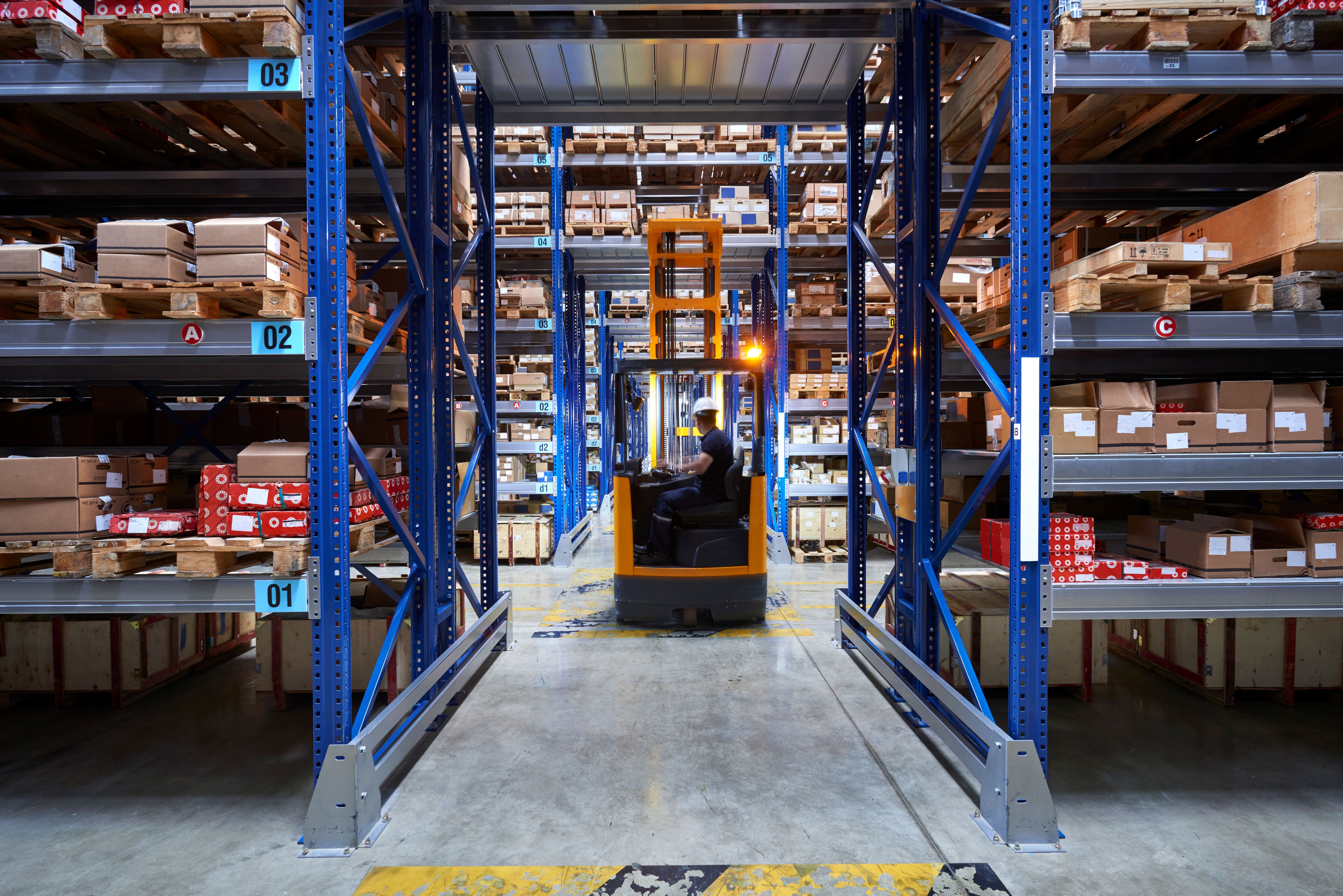
Businesses relying entirely on centralized distribution models may face longer inventory lead times if congestion develops near major host markets. Companies that positioned inventory closer to high-demand regions earlier in the year, particularly across Texas, Florida, Southern California, and the Northeast Corridor, will have shorter, more controllable delivery cycles during the World Cup window. Regional warehousing and fulfillment strategies are helping businesses shorten replenishment cycles, improve delivery consistency, reduce expedited shipping costs, and manage demand spikes more efficiently. Gebrüder Weiss contract logistics services include warehousing, fulfillment, and inventory coordination, designed to support changing regional distribution needs.
Which Industries Are Seeing the Greatest Logistics Pressure?
Several sectors are experiencing the most pronounced impact. Food and beverage distributors are already seeing increased regional demand near host cities and entertainment districts. Retailers and apparel companies may see spikes tied to licensed merchandise and World Cup-related consumer spending, while hospitality suppliers face faster replenishment cycles as hotels, restaurants, and venues prepare for higher visitor volumes. Consumer packaged goods manufacturers, electronics suppliers, and promotional merchandise companies could also face increased transportation and fulfillment requirements, making the core challenge one of balancing higher sales opportunities against transportation reliability and inventory availability.
Execution Matters More Than Perfect Forecasting
With freight volumes increasing across key North American markets, supply chain teams are focusing on maintaining shipment visibility, monitoring regional inventory levels, identifying alternative routing options, and reducing reaction time when disruptions occur. Connected transportation systems and real-time visibility tools are helping businesses respond quickly when regional conditions shift unexpectedly. Organizations with stronger shipment visibility, flexible transportation options, and coordinated cross-border operations will be better positioned to adapt as conditions evolve during peak activity periods.
For organizations evaluating regional distribution, cross-border freight movement, or transportation capacity needs, Gebrüder Weiss provides integrated freight forwarding, warehousing, customs brokerage, and transportation services across North America and globally. Contact us to learn more.
Frequently Asked Questions About the 2026 World Cup and Logistics
How will the 2026 FIFA World Cup affect freight and shipping capacity in the U.S.?
Freight demand is rising near the 11 U.S. host cities, with the greatest pressure on truckload, reefer, expedited freight, and last-mile delivery networks. Hospitality, food service, and retail replenishment are the primary drivers. Capacity is tightest in markets like Dallas, Houston, Miami, Los Angeles, and the New York/New Jersey metro.
Which U.S. cities will see the most supply chain disruption during the 2026 World Cup?
Markets that are both host cities and major distribution hubs face the most pressure, particularly Dallas, Houston, Miami, Los Angeles, Atlanta, Seattle, and the New York/New Jersey metro. These markets handle significant freight volume year-round, and tournament activity will compound existing demand.
How should businesses prepare their supply chains for a major international sporting event?
The most effective steps are positioning inventory closer to demand before peak periods begin, securing backup carrier options, increasing shipment visibility, and having contingency plans for customs and cross-border delays. Businesses that act early on transportation and warehousing decisions are better insulated from last-minute capacity shortages.
Will cross-border shipping between the U.S., Canada, and Mexico be affected during the 2026 World Cup?
Yes. Because all three countries are hosting matches, replenishment cycles are running on tighter timelines across North America. Customs delays that would normally be minor can have a larger impact when delivery windows are compressed. Businesses with documentation processes and contingency plans already in place are better positioned to manage disruptions.
What industries are most affected by logistics disruptions during large sporting events?
Food and beverage, retail and apparel, hospitality supply, consumer packaged goods, and promotional merchandise are typically the sectors that see the greatest impact. These sectors face higher inventory turnover, tighter replenishment windows, and increased competition for transportation capacity near event markets.