





U.S.-Mexico Cross-Border Freight Delays: 5 Critical Handoffs to Watch
Learn where U.S.-Mexico cross-border freight delays occur and how better coordination across five critical transfer points can keep shipments moving.
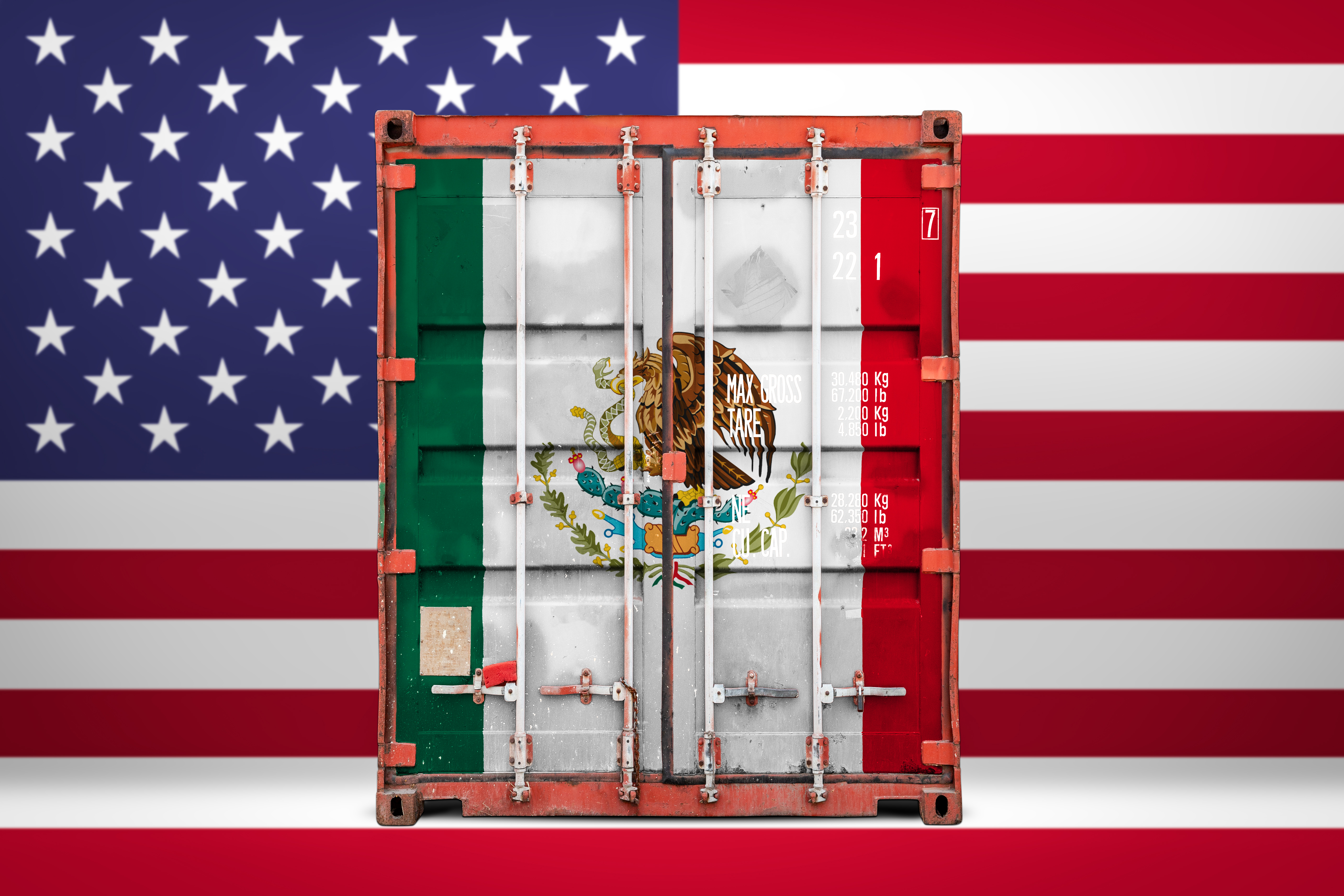
When a shipment moving between Mexico and the United States is delayed, the border often gets the blame. Customs clearance, inspections and congestion can affect transit times, but many problems begin before the truck reaches a port of entry or after the freight has already cleared.
A cross-border shipment may involve a shipper, customs broker, Mexican carrier, U.S. carrier, drayage provider, warehouse and final receiving facility. Each transition depends on accurate information and precise timing. When one party is not prepared for the next step, freight can lose hours or even days.
For shippers, improving performance means looking beyond the border itself and examining where responsibility changes hands. A 3PL experienced in U.S.-Mexico cross-border logistics can help connect those stages so the shipment moves as one coordinated process.

2. Mexican Customs Broker Setup Must Happen Before Shipping Begins
One of the most important cross-border decisions occurs before the first shipment is booked: selecting and onboarding the Mexican customs broker.
Based on Gebrüder Weiss’s operational experience, setting up a standard Mexican customs broker typically takes four to eight weeks. By comparison, a U.S. customs broker can often be established in a week or less. The process is highly asymmetric because the two countries operate under different regulatory and legal frameworks.
That difference matters. Before freight moves into or out of Mexico, the appropriate Mexican customs broker must be selected, authorized and fully prepared to handle the shipment. When that work begins too late, freight may be delayed, held at the border or exposed to fines and other compliance consequences.
Mexican customs brokers, known as agentes aduanales, also assume significant legal responsibility for the entries they process. They are responsible for verifying tariff classifications, calculating applicable duties and taxes, and confirming compliance with Mexican customs and regulatory requirements. Because brokers may share financial liability with the importer for classification errors, unpaid duties and other violations, they need complete and accurate product information before accepting a shipment.
Product descriptions, tariff classifications, country of origin, valuation and any applicable Mexican standards should therefore be addressed during onboarding, not after the freight is already moving.
Shippers planning northbound or southbound freight should ask their 3PL how early the Mexican customs broker needs to be selected, what documentation is required and who will coordinate the onboarding process. The customs and import compliance process should be part of the transportation plan from the beginning.
3. Carrier Transitions Can Disrupt an Otherwise Smooth Move
Cross-border transportation often involves different carriers, drivers or equipment in Mexico and the United States. That makes the transfer between transportation providers a critical point in the journey.
A late arrival on one side can affect the scheduled pickup on the other. Changes in clearance timing, incorrect transfer information or poor communication about freight availability can also lead to missed connections.
Both transportation legs should be coordinated as part of the same shipment. Pickup timing, transfer points, clearance status and equipment availability need to be visible to the parties responsible for what happens next.
Digital visibility can help. Turvo provides shipment status, location and ETA information, giving teams greater visibility as freight moves between stages.
The value of visibility is not simply knowing that a shipment is delayed. It is having enough information to adjust the next step before one problem creates another.
4. Drayage, Transloading and Cross-Docking Require Precise Timing
Freight may pass through additional operations in the border region, including drayage, trailer transfers, transloading or cross-docking. These services can improve flexibility, but every additional transfer creates another opportunity for freight to sit.
A truck may arrive before dock space is available. Freight may be unloaded before the outbound carrier is ready. Labor or equipment may not be scheduled when the shipment reaches the facility.
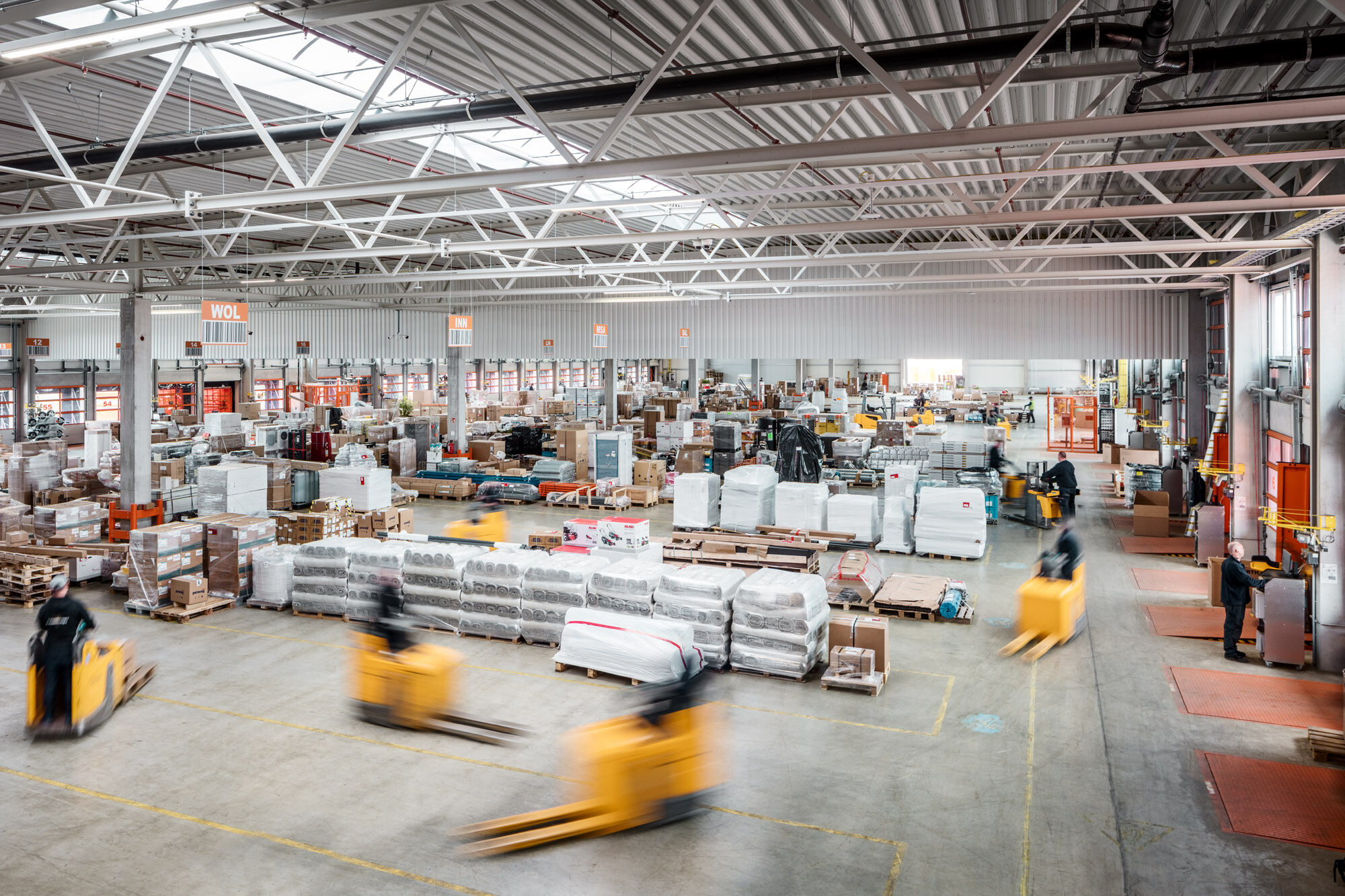
Reducing dwell requires coordination among inbound transportation, warehouse operations and the outbound move. Facilities need advance information about what is arriving, when it is expected and where the freight needs to go next.
Cross-docking works best when inbound and outbound schedules are aligned so freight moves through the facility instead of waiting for its next connection.
5. Final Delivery Planning Should Begin Before Customs Clearance
Clearing customs does not mean the shipment is finished.
Warehouses and distribution centers may have appointment requirements, limited receiving hours, labor constraints or specific inbound procedures. If those requirements are addressed only after clearance, freight can lose additional time waiting for delivery.
Final delivery requirements should be confirmed earlier in the transportation plan. Updated ETAs should also reach receiving facilities quickly, particularly when shipments support production schedules, retail commitments or other time-sensitive operations.
A shipment that clears the border efficiently but cannot be received at destination is still delayed.
Questions to Ask Your 3PL About Cross-Border Freight
Shippers evaluating their U.S.-Mexico freight process should ask:
- Are shipment documents reviewed before freight begins moving toward the border?
- Has the appropriate Mexican customs broker been selected and fully onboarded four to eight weeks before the first planned shipment?
- Who coordinates our carriers, customs brokers and warehouse teams when plans change?
- How are Mexican and U.S. transportation providers connected during the transfer?
- How are drayage, transloading and cross-docking coordinated with the next transportation leg?
- Who confirms the receiving facility is prepared before freight arrives?
The answers can reveal whether a shipment is being managed as one continuous process or as a series of disconnected services.
Frequently Asked Questions About U.S.-Mexico Cross-Border Freight
What causes delays in U.S.-Mexico cross-border shipping?
Delays can result from incomplete documentation, a Mexican customs broker that has not been fully onboarded, classification or compliance questions, carrier transfers, congestion, poorly coordinated transloading or cross-docking, and receiving facilities that are not prepared for delivery. Many delays begin before the freight reaches the physical border.
How far in advance should a Mexican customs broker be established?
Based on Gebrüder Weiss’s operational experience, setting up a standard Mexican customs broker typically takes four to eight weeks, while establishing a U.S. customs broker can often take a week or less. Shippers should begin the Mexican broker onboarding process well before the first shipment is scheduled.
How can shippers reduce cross-border freight delays?
Preparing documentation early, selecting and onboarding the appropriate Mexican customs broker, coordinating brokers and carriers, maintaining visibility across the shipment and planning warehouse and final delivery requirements in advance can reduce avoidable delays.
What should shippers look for in a cross-border 3PL?
Look for a 3PL that can coordinate transportation, customs brokerage, border operations and final delivery as one connected process. Clear communication, shipment visibility and a single point of contact can help reduce gaps between providers.
Strengthen the Connections to Keep Freight Moving
Some cross-border delays cannot be eliminated, but shippers can reduce delays caused by disconnected processes.
Gebrüder Weiss supports U.S.-Mexico freight with cross-border transportation, customs brokerage and warehouse services, including operations in key border markets such as Laredo and El Paso. By connecting these stages through one logistics partner, shippers can strengthen critical transfer points, improve shipment visibility and keep freight moving from origin to destination.