





Why Air Freight Reliability Matters More Than Lowest Cost in 2026
How the right logistics partner helps shippers manage disruption, improve visibility, and protect time-sensitive global shipments.
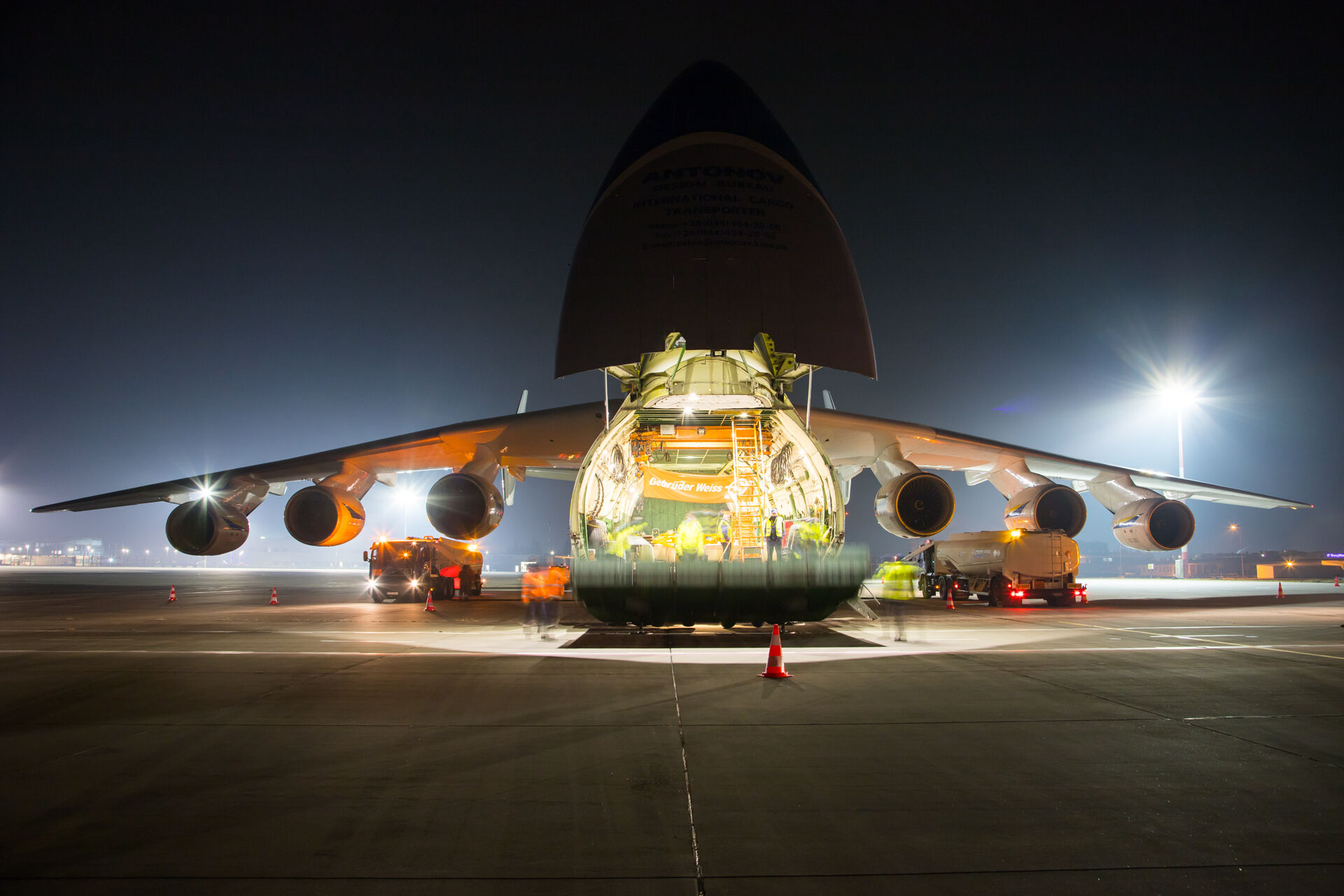
For years, many air cargo decisions centered primarily around rates. Speed and pricing often dominated procurement discussions, especially during periods of stable capacity and predictable trade conditions.
That environment has changed.
Today’s global supply chains face a combination of shifting tariffs, geopolitical uncertainty, tighter compliance requirements, labor disruptions, weather events, and rapidly changing customer expectations. In this environment, the lowest-cost option is not always the lowest-risk option.
At Gebrüder Weiss, we’re seeing this shift firsthand. Shippers are increasingly asking not just what a move will cost, but what happens when something goes wrong, and whether their air freight partner can handle it.
The true cost of unreliable air freight
Air freight is often used for high-priority shipments where delays carry significant consequences. A missed delivery can disrupt manufacturing schedules, delay product launches, impact customer relationships, or create costly downstream inventory challenges.
In many cases, the financial impact of a disruption extends far beyond the transportation rate itself.
Businesses are increasingly evaluating the total operational cost of inconsistent service, including:
- Delayed production timelines
- Lost sales opportunities
- Inventory imbalances
- Additional storage and expedited shipping costs
- Customer dissatisfaction
- Increased internal labor spent managing exceptions
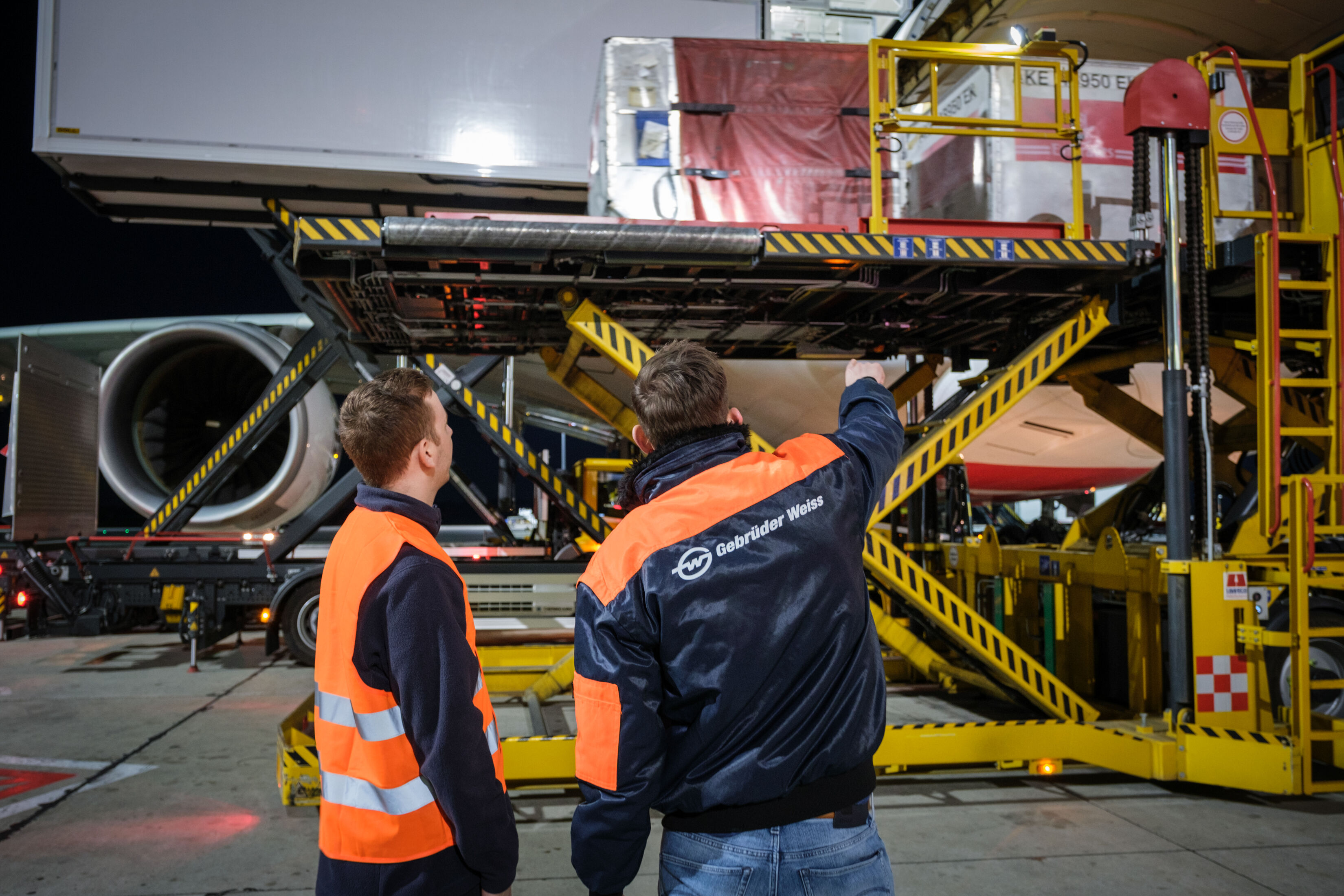
What Shippers Need from an Air Cargo Partner
Resilient logistics partnerships go beyond transportation capacity. When disruptions hit, such as tightening capacity, shifting trade regulations, or weather events, shippers need partners that can adapt quickly and communicate clearly. That’s especially true in air freight, where compressed timelines mean small problems escalate fast.
Key capabilities to look for:
- Consistent communication
- Real-time shipment visibility'
- Proactive issue resolution
- Strong carrier relationships
- Customs and compliance expertise
- Flexible routing options
- Scalable support during disruptions
Why technology and human expertise both matter in air freight logistics
Technology continues to improve visibility and operational efficiency throughout the air cargo sector. Automated workflows, shipment-tracking platforms, AI-supported analytics, and digital communication tools are helping logistics providers respond more quickly and improve coordination.
These tools are valuable, but technology alone cannot manage every supply chain disruption.
Air cargo operations still depend heavily on experienced teams that can make informed decisions during rapidly changing situations. Delays, customs holds, weather events, and routing adjustments often require human judgment, industry relationships, and operational experience.
The most effective strategies combine both: digital tools for visibility and speed, experienced teams for judgment when things don’t go to plan.
Flexibility as a supply chain advantage
Seasonal demand spikes, sourcing shifts, tariff changes, and inventory adjustments can all create sudden transportation pressure. Logistics providers that can scale capacity, coordinate multimodal options, and adjust routing strategies quickly give shippers a meaningful operational edge.
At Gebrüder Weiss, our integrated approach, combining air freight forwarding, cross-border logistics, customs brokerage, and contract logistics, is designed to give customers the flexibility they need when market conditions shift.
Air freight reliability frequently asked questions
Why are shippers prioritizing reliability over cost in air freight?
Transportation disruptions can create costs that far exceed any freight rate savings, such as delayed production, inventory shortages, missed schedules, and customer service failures, all of which carry real financial impact. Reliable air freight execution reduces these risks and protects long-term operational performance.
What makes an air freight partnership resilient?
A resilient air freight partnership combines operational consistency, proactive communication, real-time shipment visibility, and flexible routing options. Customs expertise and the ability to adapt quickly during disruptions or market changes are equally critical, especially for companies managing complex international freight flows.
How does technology improve air freight reliability?
Technology improves shipment visibility, automates workflows, and supports faster decision-making. But experienced logistics professionals remain essential for managing exceptions, disruptions, and complex international shipping requirements, underscoring the value of combining digital tools with operational expertise.
Why is flexibility important in air freight logistics?
Global supply chains face constant pressure from shifting tariffs, weather events, geopolitical disruptions, and fluctuating demand. Flexible logistics providers can adjust transportation strategies, secure alternative capacity, and maintain supply chain continuity when conditions change unexpectedly.
What should companies look for in an air freight provider?
Evaluate operational reliability, communication practices, global network strength, customs and compliance expertise, scalability, and the provider’s ability to respond during disruptions. For international shippers, the ability to support cross-border logistics, warehousing, and multimodal coordination is also worth considering.

Reliability is the new air freight advantage
Air freight remains one of the most critical components of global supply chains, particularly for high-value, time-sensitive, and business-critical shipments.
In today’s environment, many organizations are recognizing that reliable execution, strong communication, and operational flexibility can deliver greater long-term value than focusing solely on transportation costs.
Companies evaluating ways to improve transportation resilience, strengthen international shipping operations, or stay informed on evolving trade developments can also benefit from monitoring ongoing trade policy and global logistics updates.
To learn how Gebrüder Weiss supports businesses with global air freight forwarding, customs coordination, warehousing, and multimodal transportation solutions, connect with a logistics expert to discuss your supply chain priorities and operational goals.