





How Trailer Selection Impacts Cost, Capacity, and Transit Performance
Understanding equipment selection helps shippers reduce costs, improve reliability, and navigate capacity constraints with confidence
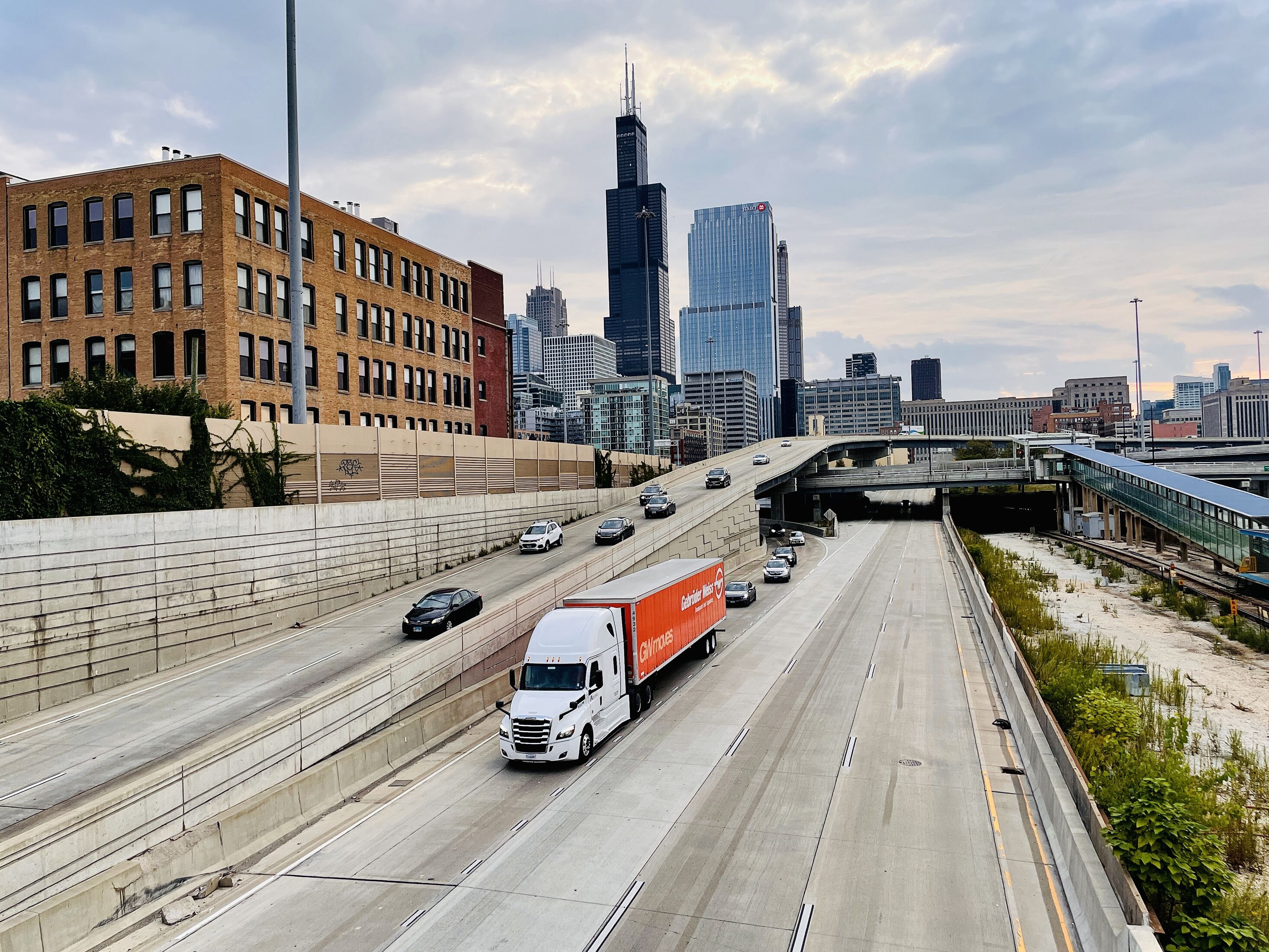
Selecting the right trailer type is one of the most important decisions in full truckload planning, yet it is often overlooked. Equipment choice influences everything from a shipment’s total cost to its routing options, cargo protection, regulatory requirements, and transit reliability. In today’s capacity-driven market, understanding trailer capabilities helps businesses avoid delays, reduce accessorial charges, and improve overall freight performance.
To make this process easier, Gebrüder Weiss created a Truck Trailer Types Guide, offering an accessible reference for shippers navigating the wide range of equipment used in North American transport.
Why Trailer Type Matters in a Tight Capacity Market
When capacity is limited, shippers who understand their equipment needs can source trucks more efficiently and negotiate better pricing. Incorrect trailer selection can result in extra handling, rework, or last-minute equipment changes that increase cost and extend lead times.
Several factors make trailer selection a strategic decision:
- Freight characteristics: weight, height, length, fragility, and loading method
- Regulatory considerations: permitting requirements for oversized or overweight cargo
- Facility constraints: dock height, loading equipment, and maneuverability
- Environmental conditions: temperature-controlled requirements for sensitive goods
Choosing the right trailer ensures the freight moves safely, compliantly, and on schedule.
Common Trailer Types and When to Use Them
Understanding the differences between major trailer types helps shippers match equipment to their cargo needs and avoid unnecessary delays or charges.
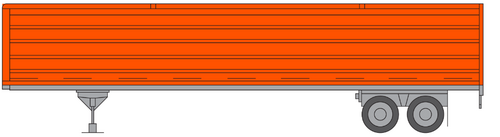
Dry Van
The most widely used trailer type, offering enclosed protection and broad availability.
Best for: Consumer goods, packaged items, electronics, pallets that require shelter from weather.
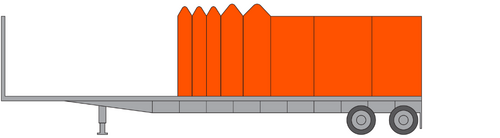
Conestoga
A flatbed with a rolling tarp system that allows open loading while protecting freight from the elements.
Best for: Cargo requiring flexible loading and full weather protection.
These categories represent only part of the equipment available to shippers. The full Trailer Types Guide includes additional configurations, dimensional details, and application notes to support more precise planning.
How Trailer Choice Affects Cost and Transit Performance
The type of trailer used directly influences a shipment’s financial and operational outcomes.
1. Total Cost of Transportation
Choosing the wrong trailer often results in repower fees, rescheduling, redelivery charges, or supplemental labor. Specialized equipment may also be in limited supply, increasing rates during peak periods.
2. Transit Time and Routing Flexibility
Equipment dictates whether certain routes, bridges, or urban areas are accessible.
For example:
- Lowboys may require alternate routing for clearance
- Reefers may need pre-cooling time before loading
- Open-deck trailers may face weather-related restrictions
- Better trailer alignment helps keep freight on schedule.
3. Freight Protection and Claims Prevention
Proper equipment selection reduces the risk of damage, spoilage, or load shifts. Securement, temperature control, and structural protection all play a role in claims prevention.
4. Efficiency at Pickup and Delivery
Selecting the correct equipment upfront ensures compatibility with facility layouts, dock operations, and handling requirements—preventing loading delays and rework.
Regulatory and Compliance Factors to Consider
Trailer type must also align with federal, state, and site-specific requirements. Key considerations include:
- Over-dimensional permits for height, width, or weight
- Securement standards for open-deck equipment
- Food Safety Modernization Act (FSMA) requirements for temperature-sensitive goods
- Bridge and roadway restrictions that impact routing
- Facility-specific rules such as maneuvering limits or dock specifications
Addressing these factors early prevents costly last-minute adjustments.
How a 3PL Helps Shippers Navigate Equipment Selection
A third-party logistics provider simplifies the complexities of trailer planning by:
- Identifying the most efficient equipment for each load
- Sourcing reliable capacity across a national carrier network
- Checking securement, weight distribution, and regulatory compliance
- Coordinating permits for specialized, heavy, or oversized freight
- Providing real-time updates through digital platforms
- Managing exceptions and supporting communication through a single point of contact
This expertise enables shippers to reduce risk and ensure consistent, high-quality performance across every truckload.
Explore the Gebrüder Weiss Trailer Types Guide
Selecting the right trailer doesn’t have to be complicated. Gebrüder Weiss designed its new Trailer Types Guide to help businesses understand equipment differences and choose the right fit for every shipment.
The guide includes:
- Detailed dimensions for standard and specialized trailers
- Recommended use cases for each equipment type
- Loading considerations and operational notes
- Visual references to support easier planning
Access the full guide.
Plan Your Next Truckload with Confidence
The right trailer selection improves freight efficiency, lowers cost, and supports more reliable delivery performance. Whether you move standard dry van shipments or require specialized equipment for complex industrial freight, choosing the appropriate trailer is a strategic advantage.
Contact us to learn how Gebrüder Weiss supports full truckload planning, equipment sourcing, and end-to-end transportation visibility.