





How AI and Automation Improve Efficiency, Visibility, and Cost Control in Logistics
Applying AI effectively is what turns technology into measurable supply chain performance

Artificial intelligence and automation are becoming foundational to modern logistics operations. What sets leading providers apart is not simply adopting these tools, but applying them in ways that deliver measurable improvements in execution, transparency, and cost management.
At Gebrüder Weiss, technologies such as Levity, Turvo, Highway, and Cargado are integrated into daily workflows to support more consistent, reliable outcomes for customers.
Streamlining Operations Through Automation
AI-driven automation is most effective in reducing manual workload across high-volume, repetitive processes.
Using tools like Levity, logistics teams can automate workflows driven by inbound emails and documents. The platform interprets unstructured data, extracts key shipment details, and triggers actions such as order creation, pricing requests, and invoice follow-ups without manual input.
Logistics teams can automate:
- Document handling and data extraction
- Order entry and system updates
- Invoice and proof-of-delivery workflows
This shift allows operations teams to focus less on administrative tasks and more on managing exceptions, coordinating shipments, and supporting customers.
For shippers, the impact is straightforward: faster processing, fewer errors, and smoother execution across shipments.
Creating Real-Time Visibility Across Shipments
Reliable logistics depends on accurate, accessible information. Without it, even well-planned shipments can face avoidable disruptions.
Platforms like Turvo connect stakeholders through a shared system that provides:
- Live shipment tracking
- Milestone updates across modes
- Centralized communication
In cross-border environments, tools such as Cargado improve coordination between carriers, brokers, and customs processes, where timing and documentation are critical.
This level of transparency enables earlier intervention when issues arise and supports more informed planning on the customer side.

Strengthening Carrier Quality and Network Integrity
As freight networks expand, so does the importance of working with verified, dependable carriers.
Technology platforms like Highway support this by continuously validating:
- Carrier credentials and insurance
- Compliance with operational standards
- Potential fraud risks
This added layer of oversight helps reduce disruptions tied to unreliable partners and strengthens overall network performance.
Managing Costs Beyond Rate Negotiation
Focusing solely on freight rates often overlooks larger cost drivers within the supply chain.
AI and automation help control total landed cost by improving how shipments are executed. Fewer manual errors, earlier visibility into delays, and better coordination all contribute to avoiding unnecessary expenses.
For example, identifying a delay early can allow for route adjustments or customer communication, preventing costly last-minute interventions. Similarly, reducing administrative workload lowers overhead without impacting service quality.
Turning Data Into Better Decisions
Modern logistics platforms generate a continuous stream of operational data. When structured effectively, this data becomes a valuable tool for improving performance.
Integrated systems allow teams to:
- Evaluate carrier and lane performance
- Identify recurring inefficiencies
- Recommend adjustments based on real-world trends
This supports a more proactive approach to managing transportation and supply chain strategy.
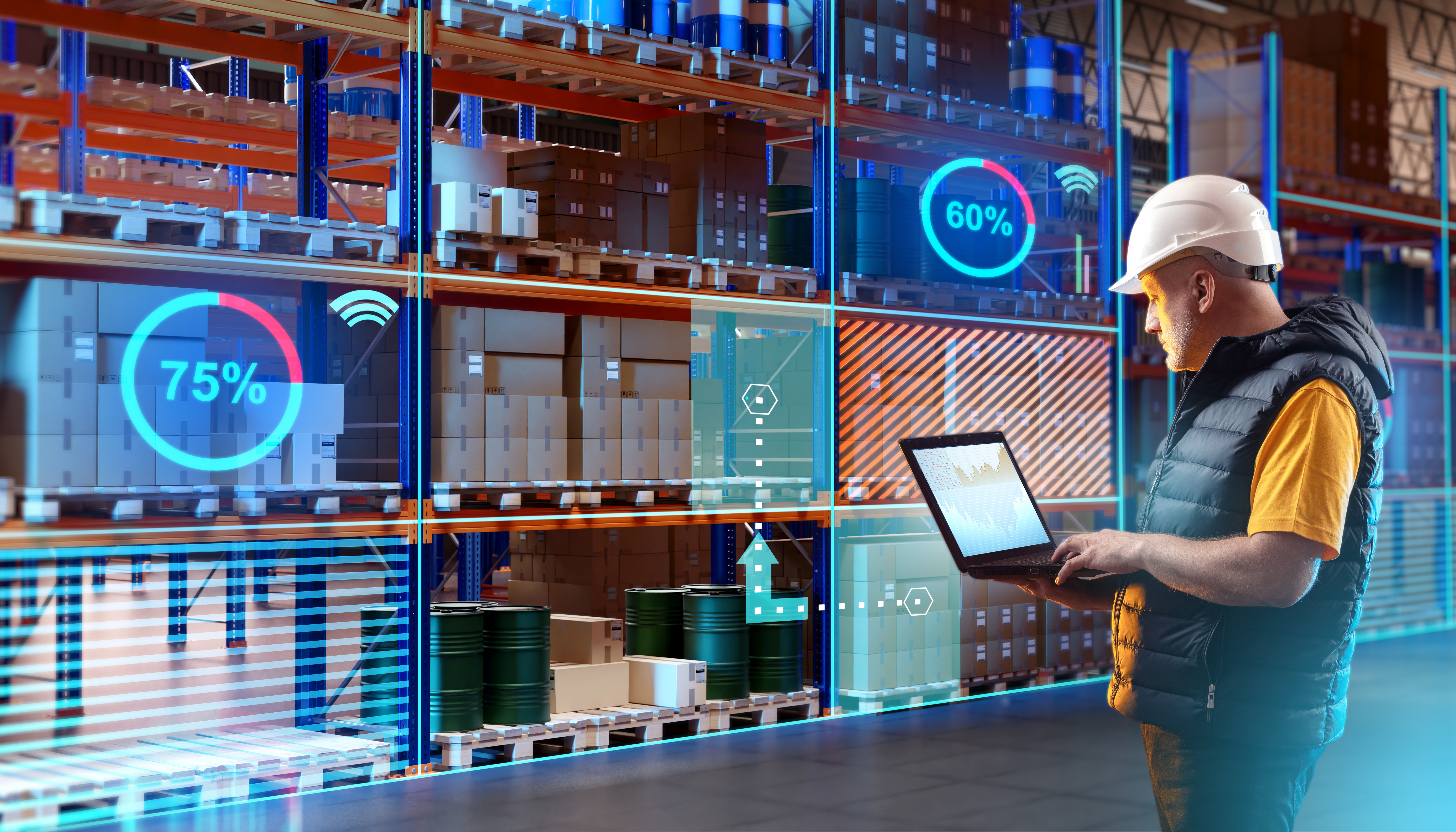
Balancing Technology with Operational Expertise
While automation improves speed and consistency, logistics still requires human judgment.
Experienced operators play a critical role in:
- Handling complex or time-sensitive shipments
- Interpreting customer priorities
- Managing exceptions that fall outside standard workflows
Combining technology with operational expertise ensures that efficiency gains do not come at the expense of service quality.
Applying AI With Purpose
The effectiveness of AI in logistics is not determined by how many tools are deployed, but by how well they are aligned with operational needs.
By integrating platforms such as Levity, Turvo, Highway, and Cargado into core processes, Gebrüder Weiss focuses on practical improvements that enhance performance without adding unnecessary complexity.
For customers, this translates into more predictable operations, clearer visibility, and stronger cost control across the supply chain.
To learn how Gebrüder Weiss integrates technology with operational expertise, connect with our team or explore our logistics solutions.